Top Tips for Growing Pecan Trees Successfully
- bcoolcompostandpec
- Apr 4
- 4 min read
Growing pecan trees can be a rewarding endeavor, whether you're a seasoned gardener or a novice looking to cultivate your own nut-producing trees. With the right knowledge and care, you can enjoy a bountiful harvest of delicious pecans. In this post, we will explore essential tips for successfully growing pecan trees, from selecting the right variety to managing pests and diseases.
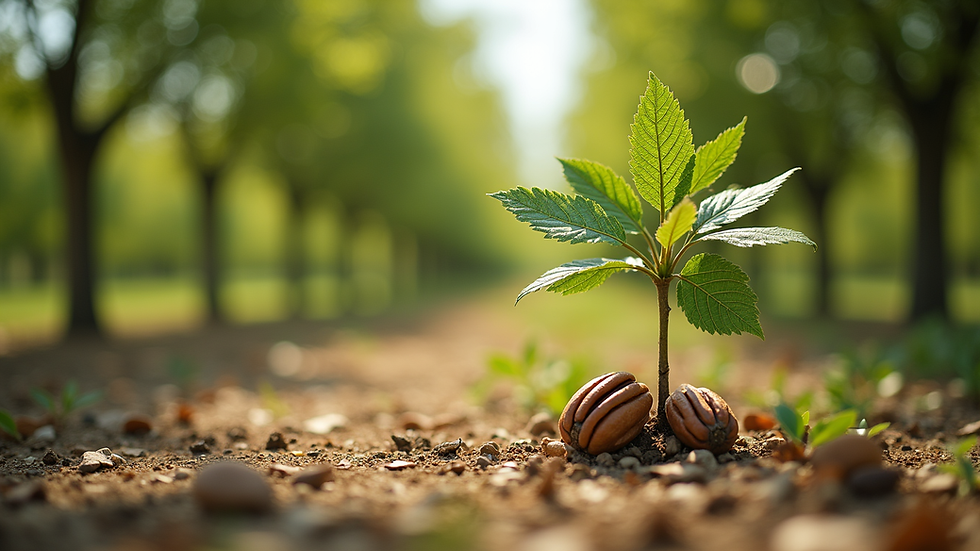
Understanding Pecan Trees
Pecan trees (Carya illinoinensis) are native to North America and are known for their delicious nuts and beautiful foliage. They can grow quite large, reaching heights of 70 to 100 feet, and can live for over 100 years. Here are some key characteristics of pecan trees:
Growth Habit: Pecan trees have a tall, upright growth habit with a broad canopy.
Leaves: The leaves are compound, consisting of 9 to 17 leaflets, and turn a beautiful golden yellow in the fall.
Flowers: Pecan trees are monoecious, meaning they have both male and female flowers on the same tree. However, they require cross-pollination for optimal nut production.
Choosing the Right Variety
Selecting the right variety of pecan tree is crucial for successful growth. Different varieties have varying characteristics, including nut size, flavor, and disease resistance. Here are some popular pecan varieties to consider:
Pawnee: Known for its early harvest and high-quality nuts, Pawnee is a popular choice among growers.
Choctaw: This variety produces large nuts and is resistant to scab disease, making it a great option for humid climates.
Desirable: A widely grown variety, Desirable is known for its excellent flavor and high yield.
When choosing a variety, consider your local climate, soil type, and intended use for the nuts.
Site Selection and Preparation
Pecan trees thrive in well-drained, fertile soils with a pH between 6.0 and 7.0. Here are some tips for selecting and preparing the right site:
Sunlight: Choose a location that receives full sun for at least 6 to 8 hours a day. Pecan trees need ample sunlight for optimal growth and nut production.
Soil Drainage: Ensure the site has good drainage to prevent root rot. Avoid areas with standing water or heavy clay soils.
Spacing: Plant pecan trees at least 30 to 40 feet apart to allow for their large canopy and root systems.
Before planting, test the soil for pH and nutrient levels. Amend the soil as needed to create an ideal growing environment.
Planting Your Pecan Trees
Once you've selected the right variety and prepared the site, it's time to plant your pecan trees. Follow these steps for successful planting:
Timing: The best time to plant pecan trees is in the spring after the last frost or in the fall before the first frost.
Digging the Hole: Dig a hole that is twice as wide and as deep as the root ball of the tree. This will allow the roots to spread easily.
Planting Depth: Place the tree in the hole, ensuring that the root collar (where the roots meet the trunk) is level with the soil surface. Backfill the hole with soil and water thoroughly.
Mulching: Apply a layer of mulch around the base of the tree to retain moisture and suppress weeds.
Watering and Fertilizing
Proper watering and fertilization are essential for the healthy growth of pecan trees. Here are some guidelines:
Watering: Newly planted pecan trees require regular watering, especially during dry spells. Water deeply once a week, allowing the soil to dry slightly between waterings. Mature trees need less frequent watering but should still be monitored during dry periods.
Fertilizing: Fertilize pecan trees in early spring with a balanced fertilizer. A soil test can help determine the specific nutrient needs of your trees. Generally, a nitrogen-rich fertilizer is beneficial for promoting healthy growth.
Pruning for Health and Productivity
Pruning is an important aspect of maintaining pecan trees. Proper pruning encourages healthy growth, improves air circulation, and enhances nut production. Here are some tips for effective pruning:
Timing: Prune pecan trees during the dormant season, typically in late winter or early spring before new growth begins.
Removing Dead or Diseased Wood: Cut away any dead, damaged, or diseased branches to promote overall tree health.
Shaping the Canopy: Aim for an open canopy structure to allow sunlight to penetrate and air to circulate. This can help reduce the risk of disease.
Pest and Disease Management
Pecan trees can be susceptible to various pests and diseases. Here are some common issues to watch for and how to manage them:
Pecan Weevil: This pest can damage nuts. Use insecticides or traps to control their population.
Scab Disease: A fungal disease that affects leaves and nuts. Plant resistant varieties and apply fungicides as needed.
Leaf Scorch: Caused by environmental stress, leaf scorch can be managed by ensuring adequate watering and mulching.
Regularly inspect your trees for signs of pests or diseases, and take action promptly to prevent further damage.
Harvesting Your Pecans
Harvesting pecans is an exciting time for growers. Here’s how to know when your nuts are ready to be picked:
Timing: Pecans typically mature in late fall. The nuts will begin to fall from the tree when they are ripe.
Signs of Ripeness: Look for nuts that have turned from green to brown and have started to split open. The shells should be hard and the nuts should rattle inside when shaken.
To harvest, gently shake the tree or use a nut harvester to collect the fallen nuts. Be sure to clean and store them properly to maintain freshness.
Conclusion
Growing pecan trees can be a fulfilling and productive hobby. By selecting the right variety, preparing the site, and providing proper care, you can enjoy a successful harvest of delicious pecans. Remember to monitor for pests and diseases, and don’t hesitate to prune your trees for optimal health and productivity. With patience and dedication, your pecan trees will thrive for generations to come.
Now that you have the essential tips for growing pecan trees, it's time to get started on your own pecan-growing journey. Happy planting!

Comments